Mitochondrial plasticity in trypanosomatids as a stress adaptation mechanism
DOI:
https://doi.org/10.26124/bec:2022-0020Klíčová slova:
trypanosomatids, mitochondria, bioenergetics, oxidative stress, chemotherapyAbstrakt
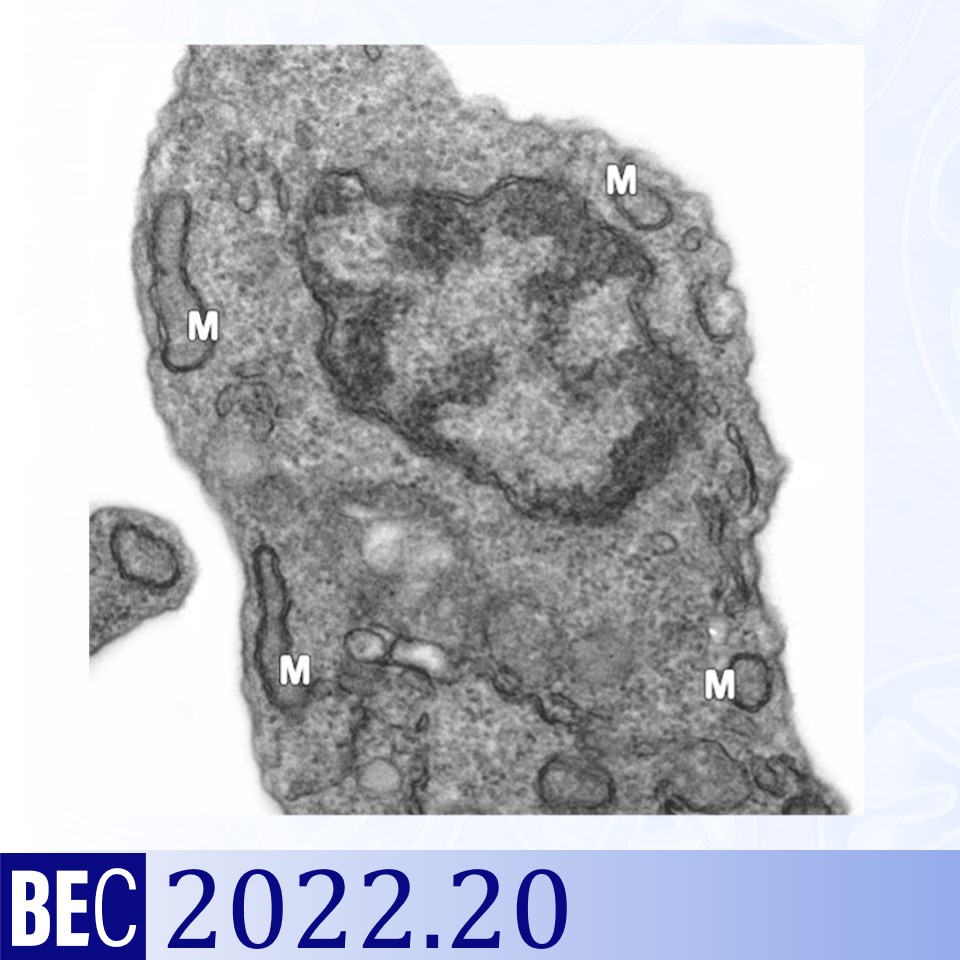
Trypanosomatids colonize different environments and are submitted to several stress situations in their hosts, which trigger intense metabolic remodeling to ensure the parasites survival in hostile environments. Some trypanosomatids can avoid the host microbicidal mechanisms, exhibiting natural resistance to oxidative and nitrosative stresses, in addition to resistance to current drug treatment. Beyond the classical role in bioenergetics, mitochondria contribute decisively to oxidative stress due to electron leakage from the electron transfer system. Several functional peculiarities made trypanosomatids’ organelle an excellent target for drug intervention. Here, we discuss data on mitochondrial susceptibility and adaptative processes obtained by our group in the last 17 years. Different pathways are evaluated associated with metabolic and mitochondrial remodeling during the life cycle of trypanosomatids, and its impact on the interaction with vertebrate and invertebrate hosts. In addition, mechanistic proposals of preclinical drugs are reviewed.
Cite:
Bombaça ACS, Menna-Barreto RFS (2022) Mitochondrial plasticity in trypanosomatids as a stress adaptation mechanism. Bioenerg Commun 2022.20. https://doi.org/10.26124/bec:2022-0020
Další soubory
Publikováno
Licence
Copyright (c) 2022 Ana Cristina Souza Bombaça, Rubem Menna-Barreto

Tato práce je licencována pod Mezinárodní licencí Creative Commons Attribution-NonCommercial-NoDerivatives 4.0.